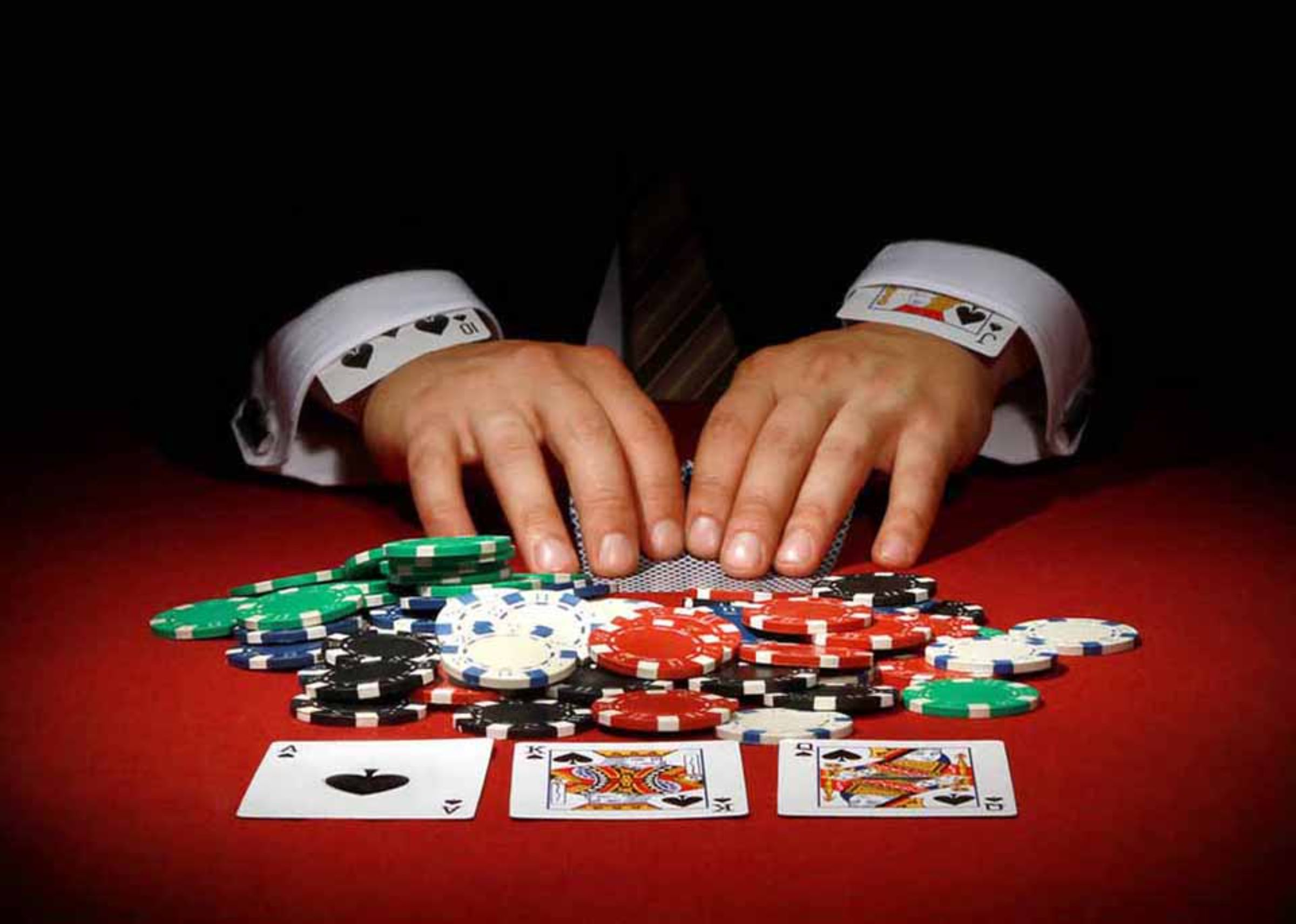
The Allure of High-Stakes Gambling
High-stakes gambling in casinos attracts a unique subset of players, drawn by adrenaline and the thrill of risking significant sums of money. This allure is rooted in the psychology of risk and reward, where individuals often perceive high stakes as synonymous with high rewards. The potential for large payouts can create an intoxicating environment, compelling players to engage in behavior they might otherwise avoid in everyday life. Many also explore the best gambling apps to enhance their betting experience.
Moreover, the thrill associated with high-stakes gambling can evoke feelings of power and control, even in an uncertain environment. Players often believe that their skills or strategies can influence outcomes, leading them to take greater risks. This cognitive bias, commonly referred to as the illusion of control, can heavily impact decision-making in high-pressure scenarios, making the gambling experience even more enticing.
The Role of Emotional States
Emotions play a pivotal role in high-stakes gambling, influencing both the decision to gamble and the actions taken once involved. Many gamblers experience heightened emotions such as excitement, fear, or anxiety, which can lead to impulsive betting behaviors. When under pressure, some individuals may chase losses or abandon rational thought, driven by a need to recoup their investments or secure a win. This can create a cycle that is difficult to break.
This emotional rollercoaster can create a highly engaging experience, where brief moments of success provide a rush that reinforces continued play. Casinos often capitalize on this by designing environments that enhance emotional states, using lighting, sound, and ambiance to evoke excitement and keep players immersed in the experience.
Addiction and Impulse Control
The nature of high-stakes gambling can lead to serious issues concerning impulse control and addiction. For some individuals, the thrill of the game becomes a coping mechanism for stress, anxiety, or personal issues, causing them to gamble beyond their means. Understanding the psychological triggers that lead to gambling addiction is crucial for both players and casino operators seeking to foster a healthy gaming environment.
Research indicates that the high-risk nature of these gambling scenarios can amplify feelings of euphoria associated with wins while simultaneously deepening feelings of despair during losses. This cycle can lead to compulsive gambling behavior, where individuals prioritize gambling over essential personal and financial responsibilities, resulting in devastating consequences.
Social Influences and Peer Pressure
High-stakes gambling environments often encourage social interactions that can significantly influence individual behavior. The presence of peers can heighten the excitement and encourage bolder betting, as players feed off each other’s energy and enthusiasm. This social aspect can create a sense of belonging among gamblers, which may further entrench their commitment to high-stakes play.
However, this social influence can also have negative repercussions. Peer pressure may lead individuals to gamble more than they initially intended, pushing the boundaries of responsible play. Understanding how social dynamics contribute to gambling behavior can be vital for players who wish to maintain control over their gambling activities.

Enhancing Your Gambling Experience
For those looking to engage in high-stakes gambling while mitigating risks, knowledge and awareness are key. Understanding one’s own psychological triggers can significantly enhance the gambling experience, allowing players to set limits and make more informed decisions. Resources that educate individuals about the psychological aspects of gambling can empower them to approach games with a balanced perspective.
Additionally, platforms that provide insights on responsible gambling and emotional awareness can be invaluable. By staying informed and connected to a supportive community, players can enjoy the thrill of high-stakes gambling while minimizing the associated risks, leading to a healthier and more enjoyable experience overall.